Advancements in Targeted Drug Delivery
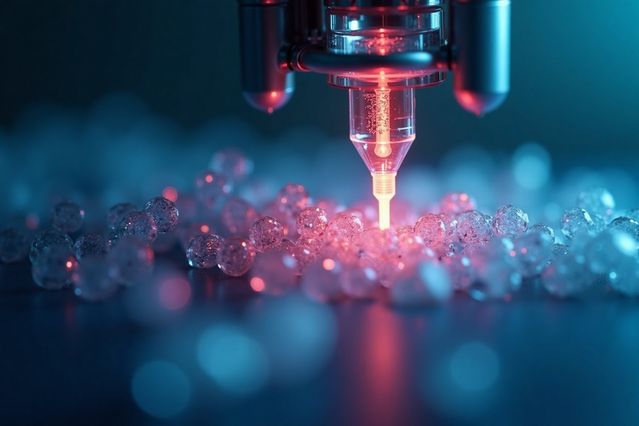
Nanoinjections have emerged as a groundbreaking technology for targeted drug delivery. By encapsulating therapeutic agents within nanoparticles, scientists can precisely deliver drugs to specific cells or tissues, minimizing off-target effects. This approach has the potential to enhance the efficiency and efficacy of treatments for various diseases, including cancer, neurological disorders, and autoimmune conditions.
Enhancing Precision in Gene Therapy
Gene therapy holds immense promise for treating genetic disorders, but its success relies on efficient and accurate delivery of therapeutic genes. Nanoinjections offer a solution by enabling precise targeting of cells and tissues, ensuring optimal delivery of therapeutic genes. This advancement can revolutionize the field of gene therapy, opening up new possibilities for treating previously incurable conditions.
Improving Diagnostic Techniques
Nanoinjections are not only limited to therapeutic applications, but they also have significant potential in improving diagnostic techniques. By incorporating contrast agents or biomarkers into nanoparticles, researchers can enhance the sensitivity and specificity of imaging technologies such as MRI and PET scans. This can enable earlier detection of diseases, accurate localization of tumors, and improved monitoring of treatment responses.
Advancing Nanosensors for Real-Time Monitoring
Nanoinjections are paving the way for the development of nanosensors that can provide real-time monitoring of various biological parameters. By embedding sensors within nanoparticles, researchers can track specific molecules, ions, or cellular activities in vivo. This technology has immense potential for disease monitoring, drug efficacy evaluation, and personalized medicine, where treatment plans can be tailored based on real-time data.
Overcoming Biological Barriers
One of the challenges in biomedical research is overcoming biological barriers that hinder effective drug delivery. Nanoinjections offer a solution by bypassing these barriers through their unique properties. Nanoparticles can be engineered to evade the immune system, penetrate cellular membranes, and release therapeutic agents at the desired site. This opens up new possibilities for delivering drugs to previously inaccessible areas, such as the brain, and overcoming multidrug resistance in cancer cells.
Potential for Personalized Medicine
The personalized medicine approach aims to tailor treatments to individual patients based on their unique characteristics. Nanoinjections can play a crucial role in this paradigm by enabling targeted delivery of therapeutics based on specific patient profiles. By incorporating patient-specific biomarkers or receptors into nanoparticles, treatments can be customized to maximize efficacy while minimizing side effects. This personalized approach has the potential to revolutionize healthcare, providing tailored treatments for improved patient outcomes.