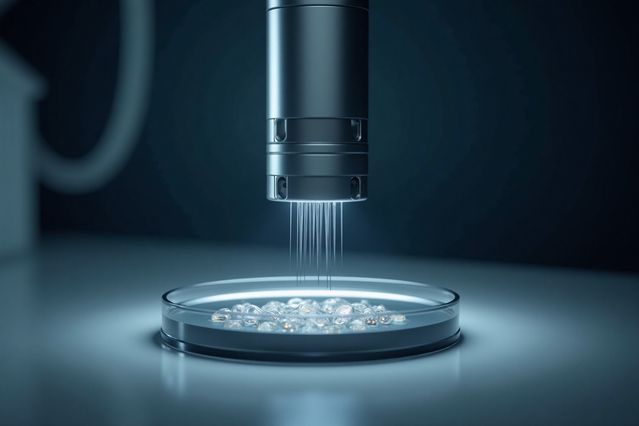
Enhancing Precision and Efficiency in Stem Cell Delivery
Nanoinjection technology has emerged as a game-changer in stem cell research and therapy. By utilizing ultrafine needles and microscale tools, researchers are now able to precisely deliver stem cells to targeted areas of the body with remarkable accuracy. This level of precision is crucial for maximizing the therapeutic potential of stem cells and increasing their effectiveness in treating various diseases and injuries.
Advancements in Needle Design
One of the key innovations in nanoinjection technology lies in the design of the needles used for stem cell delivery. Traditional needles used in conventional injection methods can cause damage to surrounding tissues and cells, leading to reduced efficacy and potential side effects. However, nanoinjection needles are specifically engineered to minimize tissue disruption and ensure the precise delivery of stem cells without compromising the integrity of the surrounding environment.
Overcoming Barriers for Effective Stem Cell Therapy
Nanoinjection technology has also addressed some of the challenges associated with traditional stem cell therapy methods. One significant obstacle in stem cell therapy is the limited ability of transplanted cells to survive and integrate into the host tissue. Nanoinjection techniques have been developed to enhance cell survival rates and promote successful integration by providing optimal conditions for the transplanted cells.
Improving Cell Viability and Functionality
Through nanoinjection, stem cells can be delivered in a controlled manner, ensuring their viability and functionality. This targeted approach reduces the risk of cell damage and increases the chances of successful engraftment. Furthermore, nanoinjection techniques can also facilitate the co-delivery of additional factors, such as growth factors or genetic material, to enhance the therapeutic potential of the transplanted cells.
Unlocking New Applications for Regenerative Medicine
The advancements in nanoinjection technology have opened up new possibilities for regenerative medicine. Researchers are now exploring the potential of utilizing nanoinjection to deliver stem cells to specific regions of the body, such as damaged organs or tissues, with unprecedented precision. This targeted approach allows for the localized treatment of various conditions, including neurodegenerative disorders, cardiovascular diseases, and musculoskeletal injuries.
Promising Future Directions
As nanoinjection technology continues to evolve, researchers are actively investigating novel approaches to further enhance its capabilities. This includes the development of smart nanoinjection systems that can dynamically adapt to the changing microenvironment within the body, ensuring optimal stem cell delivery and function. Additionally, advancements in imaging techniques and real-time monitoring systems are being explored to enable precise visualization and tracking of the injected stem cells, further improving the overall treatment outcomes.