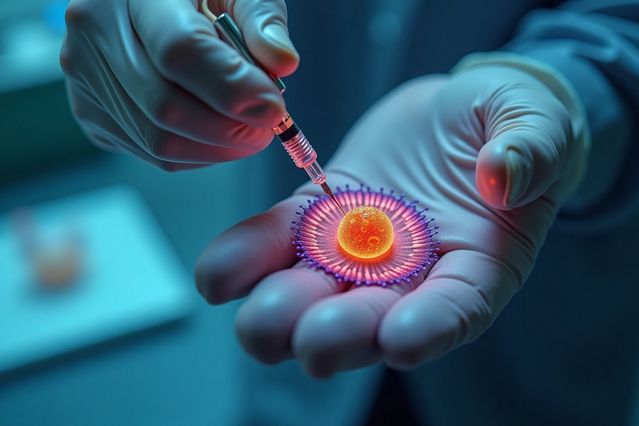
Advancements in Nanoinjections for Gene Therapy
Gene therapy aims to introduce therapeutic genes into cells to correct genetic defects or produce desired proteins. However, the success of gene therapy heavily relies on the delivery system used. Traditional methods, such as viral vectors, face limitations such as immunogenicity and limited cargo capacity. Nanoinjections, on the other hand, offer several advantages in enhancing gene therapy.
Precise Targeting and Delivery
Nanoinjections enable precise targeting and delivery of gene therapies to specific cells or tissues. By encapsulating therapeutic genes within nanoparticles, these particles can be designed to selectively bind to the desired target cells. This targeted approach improves the efficacy of gene therapy and minimizes off-target effects.
Benefits of Nanoinjections in Gene Therapy
Nanoinjections offer several benefits that make them a promising tool for enhancing gene therapy.
Increased Stability and Protection
Nanoparticles used in nanoinjections can provide stability and protection to the therapeutic genes. This ensures that the genes remain intact during delivery, minimizing degradation and increasing their effectiveness. Additionally, nanoparticles can shield the genes from the immune system, reducing the risk of immune responses and improving the overall safety of gene therapy.
Applications of Nanoinjections in Gene Therapy
Nanoinjections have shown promise in various applications of gene therapy.
Cancer Gene Therapy
Nanoinjections can be utilized in cancer gene therapy to selectively deliver therapeutic genes to cancer cells. By targeting the cancer cells specifically, nanoinjections can enhance the efficacy of treatment while minimizing side effects on healthy cells. This targeted approach holds great potential in improving the outcomes of cancer gene therapy.
Future Directions and Challenges
As nanoinjections continue to advance, several future directions and challenges need to be addressed.
Improving Delivery Efficiency
One of the key challenges in nanoinjections is improving the delivery efficiency of therapeutic genes. Researchers are exploring various strategies, such as optimizing nanoparticle design and surface modifications, to enhance the uptake and release of the genes by target cells. Overcoming this challenge will further enhance the effectiveness of gene therapy.